How to Start a Sno-Ball Stand in Louisiana
How to Start a Sno-Ball Stand in Louisiana
A sno-ball stand is one of Louisiana's most iconic seasonal businesses. Colorful shaved ice topped with flavored syrup, sno-balls are a cultural fixture in New Orleans, Baton Rouge, and towns across the state, especially during warm months. If you're considering launching a sno-ball business, this guide walks you through the legal requirements, equipment setup, and operational steps to get your stand open and operating.
What is a Sno-Ball Stand?
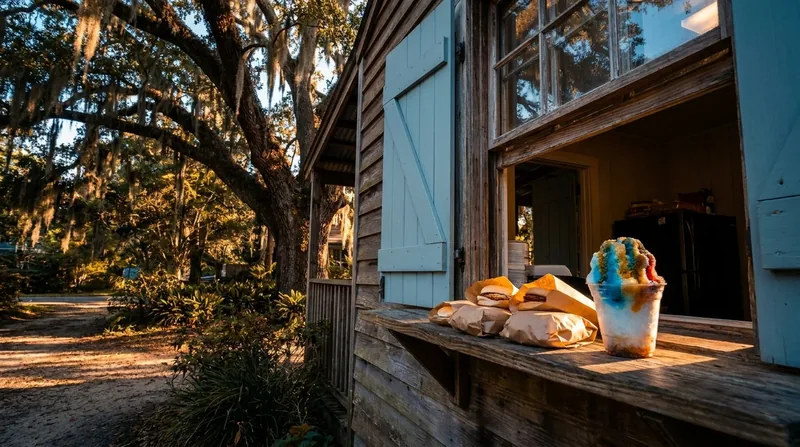
A sno-ball stand is a seasonal or year-round food service business that sells shaved ice desserts flavored with syrups, often topped with condensed milk, cream, or other toppings. Most Louisiana sno-ball businesses operate seasonally (typically April through September), though some in warmer areas or with indoor locations operate year-round. A sno-ball stand can be a simple cart, a kiosk, a walk-up window, or a dedicated storefront. The business model is straightforward: minimal food preparation, quick customer transactions, and low overhead compared to full-service restaurants.
Legal Requirements for a Louisiana Sno-Ball Business
Before you buy equipment or mix your first batch of syrup, understand the licensing and permit landscape. Louisiana requires food service businesses, including sno-ball stands, to comply with state and local health regulations, obtain local permits, and register for sales tax.
Food Service Permit from the Louisiana Department of Health
Any business serving food to the public in Louisiana must hold a permit from the Louisiana Department of Health (LDH), Office of Public Health. For sno-ball stands, this typically falls under the retail food permit category for seasonal or temporary food service operations.
The LDH requires you to submit an application that includes details about your facility, water source, ice source, equipment, and operational procedures. Because sno-ball stands depend on a reliable ice source and potable water, these elements receive particular scrutiny. You must demonstrate that you will use food-grade, sanitary ice (either commercially produced or made from a certified ice maker) and clean, potable water for all preparation and equipment cleaning.
Specific permit fees and processing timelines vary based on your operation type (mobile cart, temporary stand, permanent kiosk) and whether you are operating seasonally or year-round. Contact the Louisiana Department of Health at https://www.dhh.louisiana.gov/ or your local parish health unit to confirm current permit fees, required documentation, and inspection schedules for your specific setup.
Local Parish Occupational License and Sales Tax
In addition to the state food service permit, Louisiana parishes and municipalities levy their own occupational licenses on businesses operating within their boundaries. A sno-ball stand requires an occupational license from your parish or city. Fees and renewal cycles vary significantly by location: some parishes charge annual fees while others use seasonal licensing for temporary operations.
Because most sno-ball businesses operate seasonally, confirm with your parish Clerk of Court or local business licensing office whether they offer seasonal or temporary business licenses. Some jurisdictions allow you to file for just the months you operate, reducing your annual cost.
You must also register for a Louisiana sales tax permit with the Louisiana Department of Revenue. Even though your margins are typically small, sales tax applies to sno-ball purchases. The state sales tax rate is 5%, but many parishes add local sales tax on top of that. Your total sales tax rate depends on your exact location. Register at https://revenue.louisiana.gov/businesses/general-resources/business-registration/ before you make your first sale.
Zoning and Location Requirements
Zoning rules determine where you can legally operate your sno-ball stand. Some parishes prohibit mobile food carts in residential areas. Others allow them only in commercial zones or on private property with owner permission. A few parishes restrict food stands to designated areas (such as near parks or beaches).
Before you scout locations, check zoning rules with your city or parish planning and zoning department. If you plan to operate on someone else's property (a parking lot, a street corner, a mall entrance), confirm that the property owner is willing and that the location complies with zoning law. Many property disputes arise because an operator assumed a spot was legal without verifying it first.
Startup Essentials: Equipment and Ingredients
Equipment Needed for a Sno-Ball Stand
The core equipment for a basic sno-ball operation includes:
- Ice shaver or snow cone machine: This is your primary piece of equipment. Commercial-grade machines range from $300 to $1,500 depending on capacity and durability. Smaller manual shavers cost less but require more physical effort.
- Freezer or ice storage: You need reliable cold storage for ice and any frozen toppings (whipped cream, frozen fruit, etc.). A commercial freezer or insulated ice bin is essential.
- Syrup dispenser or pump: A syrup dispenser or hand pump allows you to measure and apply flavored syrups consistently. Cost is typically $50 to $200.
- Cups and serving utensils: Stock food-grade paper or plastic cups (typically 16 to 32 ounces), spoons or straws, and napkins. Consider cups that fit your branding or color scheme.
- Counter or serving surface: A basic table, cart, or built-out counter where customers can order and you can prepare sno-balls.
- Cash register or payment system: A simple cash box or mobile payment terminal. Many sno-ball operators accept both cash and card payments.
- Water source and sanitation supplies: A hand-washing station or portable sink, sanitizing solution, paper towels, and trash receptacles.
- Signage and display: A menu board showing flavors and prices, plus exterior signage to attract customers.
Core Ingredients and Supplies
Your core inventory consists of ice, syrups, and toppings. The staple Louisiana flavors include wedding cake (white cake flavored), cherry, lime, and root beer, but you can expand to dozens of options. Standard toppings include condensed milk, evaporated milk, whipped cream, cake mix, and fresh fruit purees.
Sourcing is straightforward: wholesale food distributors, local beverage suppliers, and online retailers all stock commercial syrups and toppings. Many operators make their own syrups to control quality and cost, using sugar, water, and flavoring extracts. If you make your own syrups, ensure they are prepared in a sanitary environment and stored properly (typically refrigerated in food-grade containers).
Ice can be sourced from commercial ice manufacturers, wholesale food suppliers, or a combination of both. Confirm that any ice you purchase meets food safety standards (it must be made from potable water and handled in a sanitary manner). Some operators make their own ice using commercial ice makers if their facility allows it.
Step-by-Step: How to Start Your Sno-Ball Stand
Step 1: Research Local Zoning and Regulations
Contact your parish or city planning and zoning department. Ask specifically about:
- Permitted locations for mobile food carts or permanent food service stands
- Distance requirements from schools, residences, or other food businesses
- Parking and street-use requirements if you plan a mobile operation
- Any permits or approvals needed before you apply for a food service permit
Document the rules in writing. If a staff member gives you verbal approval but zoning law contradicts it, you will follow the law, not the verbal assurance. Get clarity in writing before proceeding.
Step 2: Obtain Your Food Service Permit from the Louisiana Department of Health
Contact your local parish health unit or the Louisiana Department of Health to request a food service permit application. The application will ask you to describe:
- Your facility layout (cart, kiosk, storefront, etc.)
- Your ice source and how you will store it
- Your water source (municipality, well, bottled, etc.) and how you will handle wastewater
- Your menu and basic food preparation procedures
- Your equipment list
- Your cleaning and sanitation plan
Submit the completed application along with any required documentation (such as a facility floor plan). The health unit will schedule an inspection. Inspectors verify that your equipment meets standards, your ice and water sources are safe, and your facility can maintain sanitary conditions. Expect a processing timeline of 1 to 4 weeks, though this varies by parish and workload. Once approved and your permit is issued, you can legally operate.
Step 3: Get Your Local Parish Occupational License
Visit your parish Clerk of Court or city business licensing office. Complete an occupational license application for a food service business. Provide:
- Your name and contact information
- Your business name (if operating as a sole proprietorship) or your business structure (LLC, corporation, etc.)
- Your proposed location or address
- Your business type (food service, sno-ball stand, etc.)
Ask about seasonal licensing if you plan to operate only part of the year. Pay the occupational license fee (amount varies by parish). Many parishes issue the license immediately or within a few business days. Display your occupational license at your stand location as required by law.
Step 4: Register for Sales Tax with the Louisiana Department of Revenue
Visit the Louisiana Department of Revenue at https://revenue.louisiana.gov/businesses/general-resources/business-registration/ to register for a sales tax permit. You will provide basic business information and your location. Once registered, you receive a sales tax permit number. You are now required to collect sales tax on each sno-ball you sell and remit it to the state and local government, typically monthly or quarterly depending on your sales volume.
Step 5: Source Equipment and Supplies
With your permits in hand, purchase or lease your equipment. Research commercial ice shaver machines, freezers, dispensers, and serving supplies. Compare quality, price, and warranty options. Many operators start with a basic, affordable machine and upgrade as business grows.
Establish accounts with wholesale suppliers for ice, syrups, cups, and toppings. Negotiate pricing based on volume and payment terms (some suppliers offer discounts for upfront payment or weekly recurring orders). Start with a modest inventory to test which flavors and toppings sell best in your location.
Step 6: Set Up Your Stand Location
Prepare your physical location. If using a cart, ensure it is clean, mechanically sound, and properly branded. If using a kiosk or storefront, set up your counter, equipment, and signage. Install your water and sanitation system (hand-washing station or portable sink). Set up your cash register and payment processing equipment. Stock your freezer with ice and supplies. Do a final walkthrough to confirm everything is in place and operating correctly.
Step 7: Develop Your Menu and Pricing
Create a menu of flavors and toppings that you will offer. Price each item to cover your ingredient costs, labor, equipment depreciation, permits, and overhead, plus a reasonable profit margin. Research competitor pricing in your area, but remember that your unique flavors or location may justify a premium. Display your menu clearly on signage or a chalkboard so customers know what to expect.
Step 8: Open for Business and Operate Responsibly
Begin serving customers. Maintain strict sanitation standards: keep your equipment clean, use only food-grade ice and potable water, handle ingredients safely, and practice good personal hygiene. Keep your permits and licenses visible and current. Keep records of your sales for tax purposes. Respond promptly to any customer concerns or feedback. As your business grows, track which flavors and toppings are most popular so you can adjust your inventory.
Common Mistakes to Avoid
- Skipping the food service permit: Operating without a valid LDH permit can result in fines, closure, and legal liability if anyone gets sick. This is not optional.
- Neglecting zoning rules: Setting up in a prohibited location can force you to move or close. Verify zoning compliance before you invest in a location.
- Using unsafe ice or water: Unsafe ice or water can contaminate your product and harm customers. Always use food-grade, sanitary ice from an approved source and potable water.
- Forgetting sales tax: Failing to register for or remit sales tax can result in penalties and interest. Register early and remit on time.
- Underestimating startup costs: Equipment, permits, and initial inventory add up quickly. Budget for unexpected expenses and a grace period before profitability.
- Poor location selection: A high-traffic location with customer parking and foot traffic is worth more than saving money on rent. Location is critical to success.
- Inconsistent quality or hours: Customers return when they trust your product and know when you are open. Maintain consistent hours and product quality.
Expected Results and Next Steps
Once your sno-ball stand is open, expect to spend the first few weeks building awareness and refining your operations. Early customers will provide feedback on flavors, pricing, and service. Use this feedback to optimize your menu and improve efficiency.
Revenue depends heavily on location, season, weather, and local demand. A standalone cart in a high-traffic summer location may generate $500 to $1,500 in daily sales during peak season. A permanent storefront with year-round traffic may have more stable but lower daily sales. Track your income and expenses carefully so you understand your profitability and can make informed decisions about expansion, additional locations, or product changes.
Plan to renew your permits and licenses annually (or seasonally, if your parish offers seasonal licensing). Budget for rising ingredient costs and equipment maintenance. Consider whether you will expand to additional locations, extend your operating season, or grow your product line.
Important Disclaimers
This article is informational only and does not constitute legal, tax, or business advice. Sno-ball stand regulations, permit fees, and local requirements vary significantly by parish and municipality in Louisiana and may change at any time. Before you invest in equipment or location, confirm current requirements with:
- Your local parish health unit or the Louisiana Department of Health (https://www.dhh.louisiana.gov/)
- Your parish Clerk of Court or city business licensing office
- Your parish or city planning and zoning department
- The Louisiana Department of Revenue (https://revenue.louisiana.gov/)
Consider consulting a local attorney or CPA familiar with Louisiana food service regulations, especially if you plan to operate multiple locations or incorporate a business entity. Small investments in professional guidance upfront can prevent costly mistakes later.
Food safety is non-negotiable. Follow all Louisiana Department of Health guidelines for ice handling, water quality, equipment sanitation, and food preparation. A single customer illness can harm your reputation and create legal liability. Prioritize safety in every aspect of your operation.
Keep exploring: related Louisiana guides
- How to Open a Seafood Market or Seafood Dealer Business in Louisiana
- How to Start a Bakery Business in Louisiana
- How to Open a Restaurant in Louisiana
- How to Get a Liquor License and Open a Bar in Louisiana
- How to Start an LLC in Louisiana
- Louisiana Business License
- How Much Does It Cost to Start a Business in Louisiana
- All Louisiana business types
- Every Louisiana guide in one place