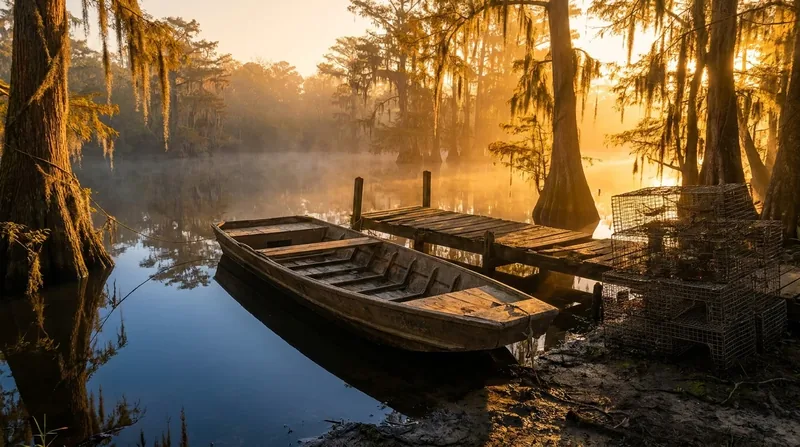
How to Start a Crawfish Farm in Louisiana
How to Start a Crawfish Farm in Louisiana
Louisiana produces over 100 million pounds of crawfish annually, making it the crawfish capital of the United States. If you're considering entering this industry, Louisiana's established infrastructure, expertise, and natural conditions make it an accessible market. This guide walks you through the practical steps, regulatory requirements, and essential knowledge needed to launch a crawfish farming operation.
Why Crawfish Farming in Louisiana
Louisiana's warm climate, abundant water resources, and centuries of crawfish harvesting experience create ideal conditions for farming. The state's crawfish farms operate on approximately 400,000 acres using rice-crawfish rotation, a sustainable system where the same land grows rice in some seasons and crawfish in others. This dual-use model improves soil health and spreads income across multiple crops, reducing financial risk for farmers.
Before you begin, understand that crawfish farming requires patience, attention to water quality, and compliance with state regulations. Startup costs are moderate compared to other agricultural ventures, but success depends on careful planning and adherence to best practices.
Materials and Equipment You'll Need
Starting a crawfish farm requires both land infrastructure and operational supplies:
- Pond infrastructure: Excavated or managed ponds (minimum 5 acres to 40 acres for a commercial operation); reliable water source (well, bayou, or collected rainwater); levees and dikes to maintain water levels; inlet and outlet systems with screening to prevent escape
- Water management: Pumps (for water circulation and aeration); aeration equipment if using natural water sources); water testing kit (pH, dissolved oxygen, ammonia, nitrite)
- Crawfish stock: Female broodstock or fertilized eggs (also called seed or sac); juvenile crawfish (crawlettes) from a hatchery or established breeder
- Harvesting equipment: Traps (wire or plastic mesh crawfish traps); nets and dip nets; processing equipment (if you plan to process on-farm); coolers and ice for transport
- Pond maintenance tools: Excavator or tractor for levee upkeep; rake and shovel for debris removal; vegetation management tools
- Feed and supplements (optional): Supplemental feed to boost yield; bottom fertilizer to enhance natural food production
Step-by-Step Process for Starting Your Crawfish Farm
Step 1: Select and Prepare Your Land
Choose land with reliable water access and suitable soil composition. Clay-rich soil is preferred because it holds water better than sandy soil. Conduct a soil test through your local LSU AgCenter extension office to assess composition, pH, and nutrient levels.
For a commercial operation, plan for a minimum of 5 to 10 acres, though many successful farms operate on 20 to 40 acres. The land should be level enough to control water flow but not so flat that drainage becomes problematic. Proximity to processing facilities and markets reduces transportation costs.
Step 2: Design and Construct Your Pond System
Crawfish ponds typically range from 5 to 40 acres and are generally 2 to 3 feet deep. Deeper ponds risk poor water circulation and oxygen depletion; shallower ponds are harder to manage and harvest efficiently.
Your pond design must include:
- A main pond with uniform depth and stable levees
- An inlet for water supply with fine screening to exclude trash fish, frogs, and other unwanted organisms
- An outlet for draining and harvest; this should have a sump (a deeper collection area) where crawfish congregate when water is drained
- Spillway or overflow system to manage heavy rain and maintain consistent water levels
- Access roads around the levee for equipment and monitoring
The total construction cost for a 10-acre pond system typically ranges from $1,500 to $3,000 per acre, depending on land preparation needs and local labor costs. Consult a local excavator familiar with aquaculture to ensure proper design.
Step 3: Establish Water Quality Management
Before stocking crawfish, prepare the pond by allowing it to settle and develop a natural ecosystem. Fill the pond 4 to 6 weeks before stocking. During this period:
- Test water pH (optimal range 6.5 to 8.0); adjust if needed
- Test dissolved oxygen (minimum 4 mg/L required for crawfish survival)
- Allow aquatic vegetation and plankton to establish, providing natural food
- Monitor for unwanted fish (bass, catfish, sunfish) and remove them before stocking
- Check that inlet and outlet systems are functioning properly
Ongoing water management is critical. Test water quality weekly during growing season and maintain dissolved oxygen through aeration or careful water exchange if levels drop below 4 mg/L.
Step 4: Stock Crawfish in Your Pond
Stocking density depends on your management approach and the pond's natural productivity. For a rice-crawfish system with minimal supplemental feeding, stock 50 to 200 female crawfish per acre (broodstock model) or 500 to 2,000 juvenile crawfish per acre (crawlettes). Higher densities require more intensive management, aeration, and feeding.
Best stocking time in Louisiana is late spring (May to June), allowing crawfish to burrow and establish before the hot summer months. Stock crawfish in the early morning or late evening when water temperatures are cooler to minimize stress.
Source crawfish from:
- Established hatcheries and breeders (best for consistent quality)
- Local farms with good genetics and disease history
- LSU AgCenter's aquaculture specialists can recommend certified sources
Step 5: Manage Pond Conditions Throughout the Growing Season
From summer through fall, monitor and maintain your pond:
- Water level: Maintain 18 to 24 inches of water; too shallow stresses crawfish and increases cannibalism
- Vegetation: Allow aquatic plants to grow for cover and food, but prevent them from covering more than 50 percent of the pond surface
- Feeding: In rice-crawfish systems, natural productivity often sustains the population. For higher-density ponds or intensive systems, provide supplemental feed (rice bran, pellets)
- Aeration: Use aerators during early morning if dissolved oxygen drops below 5 mg/L
- Predator control: Exclude or remove wading birds, turtles, and fish that prey on crawfish
Step 6: Prepare for Harvest
Crawfish reach harvestable size (about 1/4 pound) between 4 and 6 months after stocking, typically in November through March in Louisiana. As water temperatures cool in fall, crawfish become more active and feeding increases.
Harvest methods include:
- Trapping: Most common method; set wire or mesh traps baited with fish or meat; check daily
- Seining: Using nets in shallow water; effective for smaller ponds
- Partial draining: Drain the pond partially or fully and collect crawfish in the sump area
Begin harvesting when crawfish average 1/4 pound. Stagger harvest over several weeks to maintain population and allow remaining crawfish to reach market size. A well-managed 10-acre pond may produce 20,000 to 40,000 pounds per season, though yields vary widely based on management and natural productivity.
Step 7: Obtain Required Licenses and Certifications
Before selling crawfish, you must obtain proper licensing from the Louisiana Department of Wildlife and Fisheries (LDWF) and qualify for commercial farmer status if selling to tax-exempt buyers.
- Domesticated Aquatic Organism License: Required to legally sell crawfish. The resident license costs $25 annually. Contact LDWF at https://www.wlf.louisiana.gov/ or call the Aquaculture Section to apply.
- Commercial Farmer Certification: If you meet agricultural income thresholds and operate a legitimate farming operation, you qualify for Louisiana commercial farmer certification. This certification exempts you from sales tax on agricultural inputs (feed, equipment, fuel). Contact the Louisiana Department of Revenue at https://revenue.louisiana.gov/ to apply.
- Sales Tax Permit: Obtain a sales tax permit if you sell directly to consumers. Contact the Louisiana Department of Revenue.
- Food Safety Permits (if processing): If you plan to process, cook, or package crawfish for retail sale, additional permits from the Louisiana Department of Health and the FDA may be required. Consult your local health department.
Tips for Success
- Start small: Begin with 5 to 10 acres to learn the business before expanding. Crawfish farming has a steep learning curve, and smaller operations are easier to manage during the first few seasons.
- Network with local farmers: Connect with established crawfish farmers in your area. Louisiana has a strong community of aquaculturists who often share knowledge freely. The LSU AgCenter offers workshops and field days.
- Monitor water quality obsessively: The number one reason new farms fail is poor water management. Test weekly and act quickly if oxygen or pH drift outside acceptable ranges.
- Control disease: Source healthy stock and quarantine new crawfish for 2 to 3 weeks before introducing them to your main pond. White spot syndrome and crayfish plague can devastate an operation.
- Plan for predators: Crawfish are attractive to birds, raccoons, otters, and larger fish. Use netting, fencing, and pond design to exclude them.
- Keep detailed records: Document stocking dates, water quality tests, feeding, harvest dates, yields, and expenses. Good records help you identify problems and optimize your operation over time.
Common Mistakes to Avoid
- Overstocking: Packing too many crawfish into a pond reduces water quality and increases cannibalism. Stick to recommended stocking densities unless you're using intensive management and aeration.
- Ignoring water quality: Low dissolved oxygen, high ammonia, and improper pH are silent killers. Test weekly, not monthly.
- Harvesting too early: Crawfish under 1/4 pound don't bring premium prices. Wait until they reach market size; the additional weeks of growth significantly improve yield and profitability.
- Skipping licensing: Operating without required permits exposes you to fines and loss of your operation. The licensing process is straightforward and inexpensive.
- Poor pond design: Inadequate drainage, unscreened inlets, and unstable levees create ongoing headaches. Invest in proper construction upfront.
- Not controlling vegetation: Too much aquatic plant growth blocks sunlight, reduces oxygen, and hampers harvest. But some vegetation is necessary for crawfish habitat. Aim for 20 to 50 percent coverage.
Expected Results and Timeline
A well-managed crawfish farm may produce 20,000 to 40,000 pounds of crawfish per 10-acre pond per season, though results vary widely based on stocking density, natural productivity, water quality, and management intensity. Some farms achieve higher yields with intensive feeding and aeration, while others operate more extensively with lower inputs and lower yields.
Your first season is typically a learning year. Yields may be lower as you refine water management, harvest timing, and operational practices. By year two, you should see improved performance as you gain experience and optimize your system. Many farmers see significant yield improvements in years three through five as they master their specific pond environment.
Profitability depends on market prices (which fluctuate seasonally), your input costs, and harvest efficiency. In recent years, crawfish have sold wholesale for $3 to $8 per pound depending on size, quality, and season. Retail prices are higher, but direct sales require additional licensing and handling.
Disclaimer
This article is informational only and does not constitute legal, tax, or agricultural advice. Crawfish farming involves regulatory compliance, risk management, and financial planning that varies by individual operation. Before starting a crawfish farm, consult with a qualified attorney regarding business structure and liability, a certified public accountant or tax professional regarding tax implications and agricultural credits, and the Louisiana State University AgCenter or a licensed aquaculture consultant regarding technical farming practices. Requirements, fees, and regulations are subject to change; verify current requirements with the Louisiana Department of Wildlife and Fisheries and the Louisiana Department of Revenue.
Keep exploring: related Louisiana guides
- How to Start a Commercial Fishing or Shrimping Business in Louisiana
- How to Start a Hunting Guide or Outfitter Business in Louisiana
- How to Start a Tree Service Business in Louisiana
- How to Start an LLC in Louisiana
- Louisiana Business License
- How Much Does It Cost to Start a Business in Louisiana
- All Louisiana business types
- Every Louisiana guide in one place